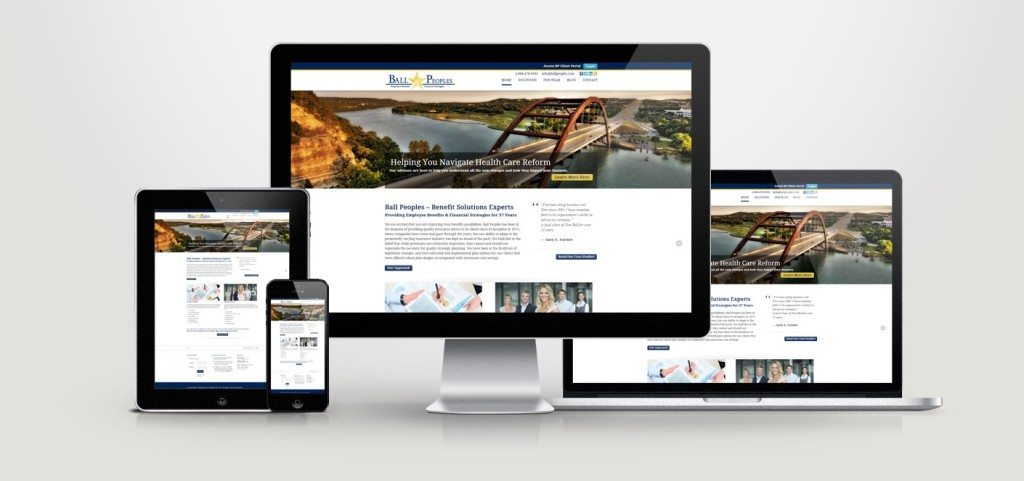
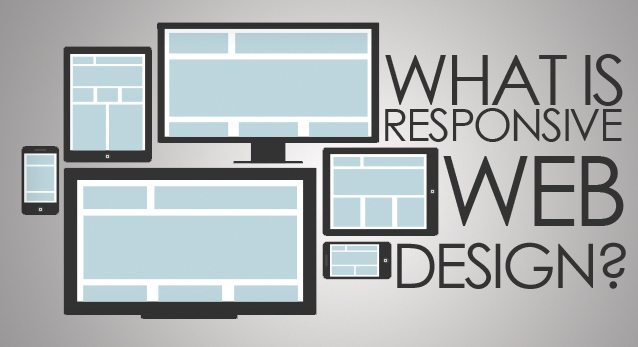
This year (2014) is the first time in history that mobile users have actually surpassed desktop/laptop users when accessing the internet. In fact, according to CNN, in January Mobile devices accounted for 55% of Internet usage in the United States. This trend will only expand as new devices, such as Google Glass, are introduced and grow in popularity.
Additionally, according to a recent Compuware survey, “57% of consumers will not recommend a business with a poorly designed mobile site. Similarly, 40 percent of consumers will go to a competitor’s site after a bad mobile experience.” Driving traffic to your website can difficult enough, so doing everything you can to increase visitor retention and engagement will be essential to your businesses success online.
Mobile Web Design Options
The two most common options available when it comes to designing a mobile friendly website are Responsive and Mobilized. Without boring you with too much detail, let’s discuss each briefly.
Mobilized Web Design.
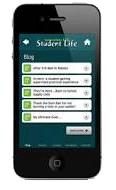
True to their name, mobilized websites are designed specifically for mobile devices. However, there’s a twist. Since mobilized websites were introduced prior to the rise in popularity of tablets, these sites are not optimized from these devices. Choosing to go this route will significantly limit your ability to engage with all mobile users, since only a segment of these users will access your site on a traditional smart phone. Additionally, over the past couple years, more and more devices have been introduced with larger & smaller screen sizes. There are no guarantees that a mobilized website will display properly on all smartphones.
Another drawback is that since there are two versions of the website (m.domain.com & www.domain.com) the content on each of these sites can be seen by Google as duplicate, which can damage your ability to rank high in the search results. All things being equal, a responsive website will outrank a mobilized site. In the image here, you’ll see an example of a mobilized website.
Responsive Web Design
Responsive websites automatically change the layout of the page depending on the screen size of each user. This website is an example of Responsive Design. To see it in action, simply resize your browser window by dragging the right hand edge of the window to the left, making the width smaller. You’ll notice that elements on the page readjust automatically. This is incredibly beneficial for ensuring all users enjoy an experience optimized for their unique device - regardless of screen size.
In addition to elevating your websites conversion rate by providing mobile users a rich experience, there’s more benefit to opting for a responsive solution. You’ll also receive more traffic to your website since Google rewards Responsive websites with higher rankings. Since they encourage RWD as an industry best practice, it’s wise to choose this solution if you’re able.
With this in mind, if your website is older, and you don’t have the option of a complete redesign at this point, a Mobilized version of your website is better than nothing. The bottom line is that in order to get the best return on your web design budget, you really need to cater to the growing mobile audience. Failure to serve up optimized website content to the mobile market place will result in short-term and exponentially increased long-term revenue losses.
If you have any questions about your options as they relate to mobile web design, please don’t hesitate to give us a call. We’d be happy to explore these with you.